الوردة والخيط: المشهد الافتتاحي

Duaa Mohammed
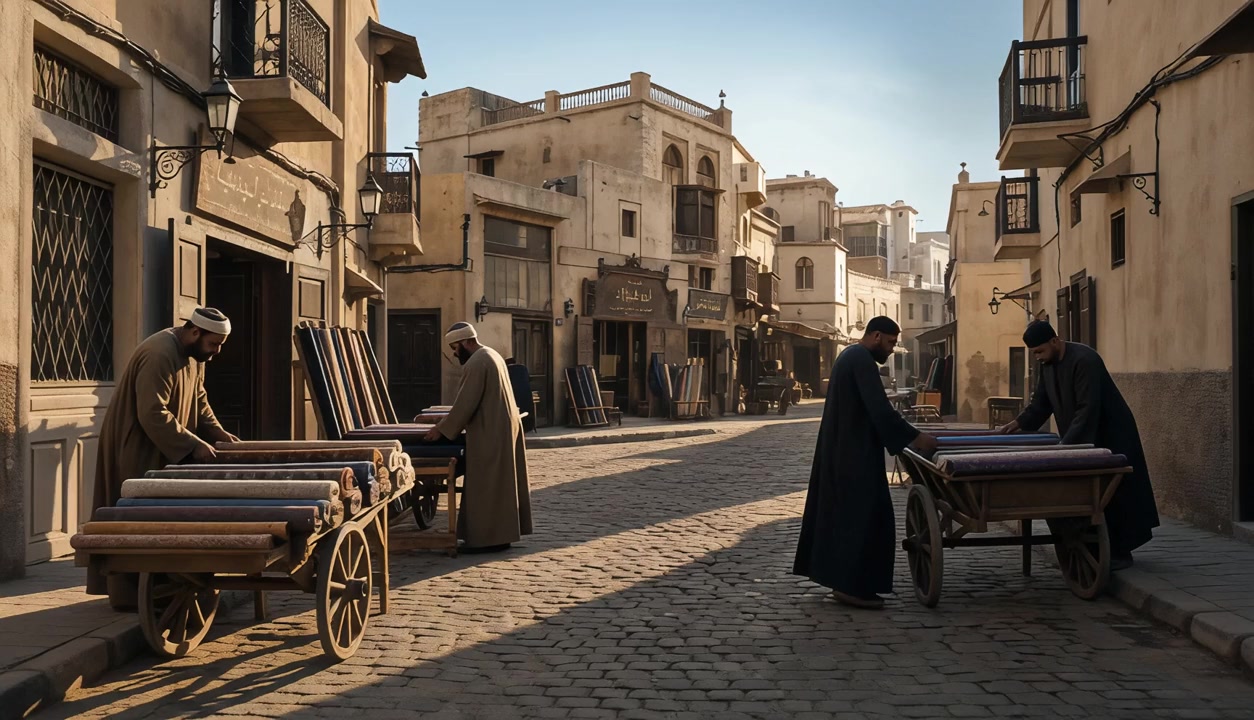
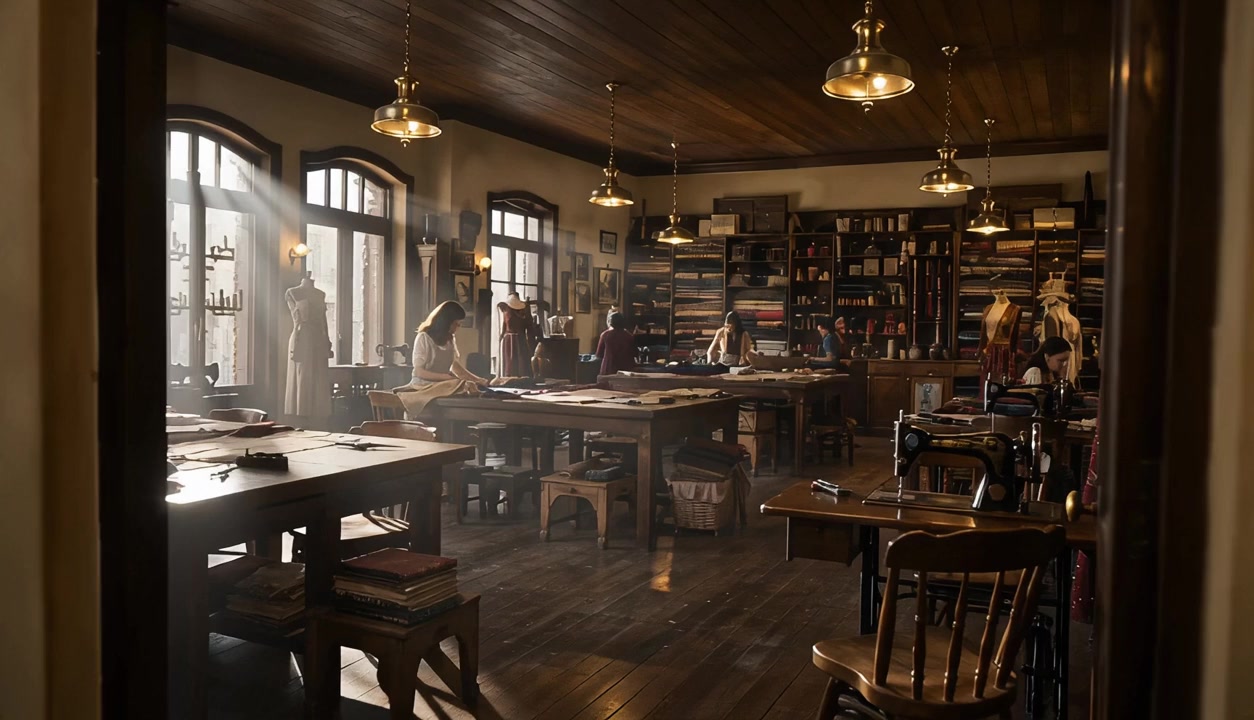
مشهد افتتاحي سينمائي يأخذك إلى أزقة وشوارع حقبة الأربعينيات، حيث تدب الحياة في ورشة خياطة عريقة تحمل بين طياتها قصصاً عن طموح النساء وصراعاتهن. #دراما_عراقية #مسلسل_تاريخي #الوردة_والخيط
مشهد افتتاحي سينمائي يأخذك إلى أزقة وشوارع حقبة الأربعينيات، حيث تدب الحياة في ورشة خياطة عريقة تحمل بين طياتها قصصاً عن طموح النساء وصراعاتهن. #دراما_عراقية #مسلسل_تاريخي #الوردة_والخيط
Keyframes
Original Prompt
Create a cinematic opening scene for a realistic Arabic drama series titled “The Rose and the Thread.”
TIME PERIOD
Set the story in a mid-20th-century Middle Eastern city, approximately the 1940s–1950s.
The city should feel old, elegant, warm, and lived-in, but NOT ancient and NOT medieval.
STRICTLY AVOID:
- Medieval architecture
- Ancient historical costumes
- 19th-century clothing
- Ottoman-era visual style
- Extremely old stone villages
- Fantasy or period-fantasy aesthetics
- Modern 2000s or contemporary architecture
- Modern cars, phones, signs, or technology
The visual style should feel like a classic television drama from the mid-20th century, with believable Middle Eastern architecture, narrow streets, old shopfronts, wooden doors, balconies, fabric stores, and people wearing elegant period-appropriate clothing.
OPENING SHOT — THE CITY
Begin with a slow cinematic establishing shot of the old city at morning.
Show a beautiful Middle Eastern neighborhood coming to life:
narrow but clean streets, traditional buildings with balconies and wooden windows, small shops opening, people walking naturally, fabric merchants arranging colorful textiles, women wearing elegant modest dresses appropriate to the 1940s–1950s, and men wearing period-appropriate shirts, trousers, and jackets.
The atmosphere is warm, emotional, realistic, and slightly nostalgic.
Use cinematic natural morning light, realistic shadows, subtle film grain, and a sophisticated television-drama look.
The camera slowly moves through the street until it approaches a large, clearly recognizable tailoring and fashion workshop.
THE WORKSHOP — IMPORTANT
The workshop MUST be visually obvious.
Show the exterior clearly before entering:
a beautiful traditional storefront with a large wooden sign indicating that this is a tailoring and dressmaking workshop.
The entrance should be wide and visible.
Then slowly move the camera through the entrance into the workshop.
Inside, clearly show:
- Several vintage sewing machines
- Large wooden cutting tables
- Rolls of colorful fabric
- Hanging dresses
- Spools of thread
- Needles and sewing tools
- Measuring tapes
- Dress patterns
- Sketches of dresses
- Fabric shelves
- Tailoring mannequins
- Workers sewing and cutting fabric
The workshop should feel busy, successful, warm, and authentic.
Do NOT make it look like a tiny dark room.
CAMERA
Use slow cinematic camera movement.
Start wide on the city.
Move gradually toward the workshop.
Pause briefly on the workshop exterior so the audience understands exactly where the story takes place.
Then enter the workshop with a smooth tracking shot.
Finish with a medium-wide shot showing the interior of the workshop and the people working.
Realistic human movement.
Natural facial expressions.
No exaggerated AI movements.
No distorted hands.
No unnatural walking.
SOUND DESIGN
Use realistic environmental sounds:
soft street ambience, footsteps, distant conversations, fabric being moved, sewing machines operating, scissors cutting fabric, and subtle morning city sounds.
Add soft emotional cinematic background music.
The music should feel dramatic and elegant, not overly sad and not modern pop.
LANGUAGE AND DIALOGUE — VERY IMPORTANT
All spoken dialogue MUST be in clear, natural Arabic.
Use natural Iraqi Arabic pronunciation, spoken slowly and clearly.
Do NOT use:
- English dialogue
- Turkish dialogue
- Persian dialogue
- invented words
- gibberish
- unclear AI speech
- exaggerated accent
- robotic pronunciation
The Arabic words must be understandable to an Arabic-speaking viewer.
Keep the dialogue very short and simple.
A female worker inside the workshop says naturally:
“صباح الخير يا نوال.”
Nawal replies naturally:
“صباح النور.”
The pronunciation must be clear and realistic.
VISUAL STYLE
Photorealistic cinematic drama.
Realistic Middle Eastern actors.
Natural skin texture.
Realistic fabrics and clothing.
Elegant composition.
Warm but slightly muted cinematic colors.
Professional television drama cinematography.
The audience should immediately understand:
This is a story about women, fashion, sewing, ambition, friendship, and betrayal inside a successful old tailoring workshop.
Do not make the scene look like an ancient historical movie.
Do not make the workshop ambiguous.
The workshop must be one of the main visual elements of the opening scene.
Settings
Duration
29s
Aspect Ratio
16:9
Tip: Use this prompt in Reela'sAI Video Generator to easily create your own unique version in minutes.